
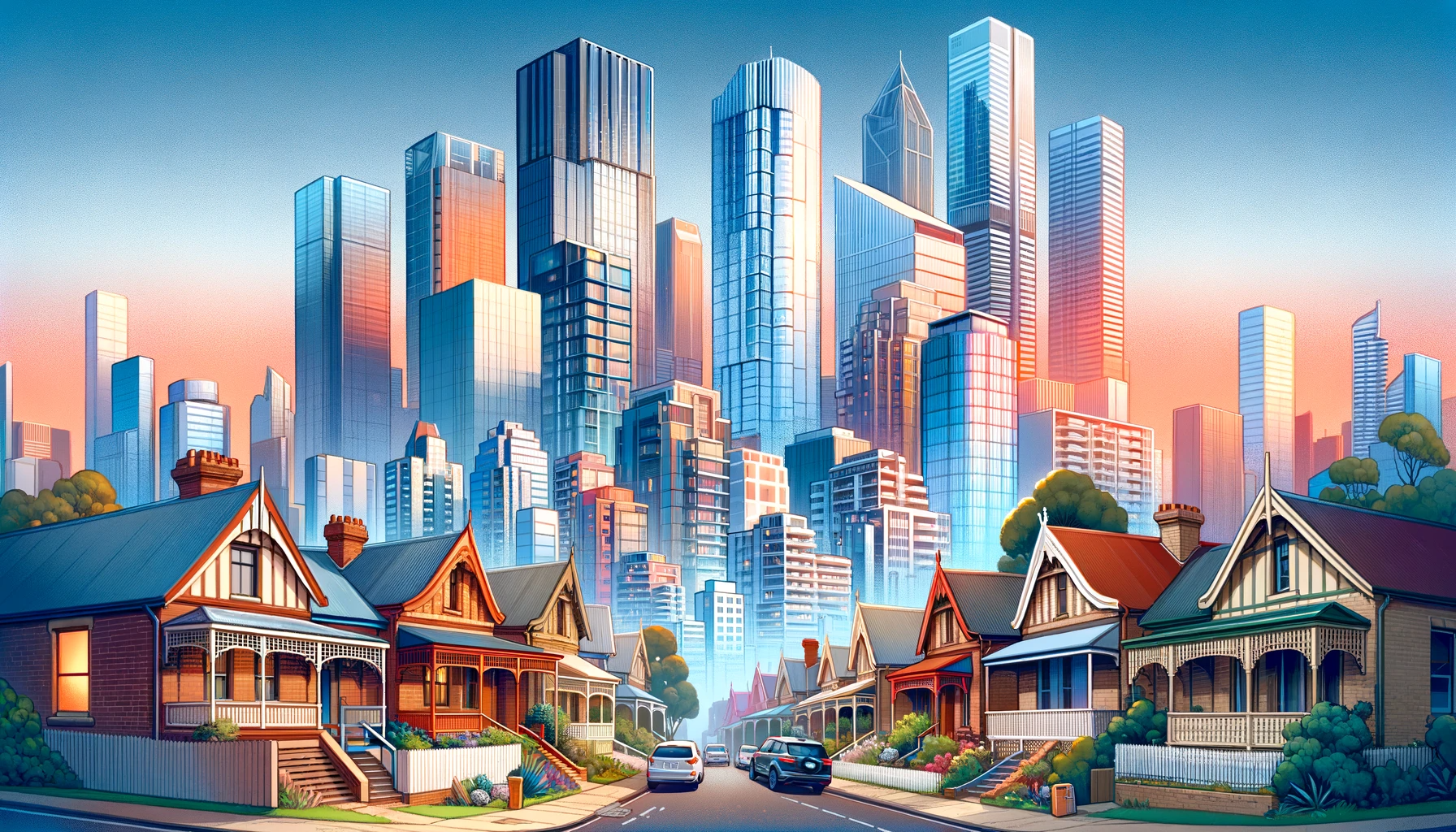

Gentrification refers to the transformation of a neighborhood through the increase of more affluent residents and businesses. This generally drives less affluent residents to relocate or move out of the neighbourhood as they can no longer afford to live there. This process often involves the renovation of housing and the improvement of local amenities, leading to increased property values and living costs.
What causes gentrification?
Gentrification is typically driven by factors like urban renewal projects, improvements in public transport, and the influx of wealthier individuals seeking affordable housing in up-and-coming areas.
- Housing market dynamics: In cities with a limited housing supply and high demand, gentrification is more likely as competition for housing intensifies.
- Policy decisions: Government policies related to housing, urban development, and zoning can either encourage or mitigate gentrification. Policies promoting affordable housing and protecting tenants can reduce the pace or impact of gentrification.
- Investment patterns: Private investment in certain neighborhoods for development projects can trigger gentrification. This can include both residential and commercial developments. You can often identify which suburbs over the long-term are likely to be gentrified based on how close it is to the city centre and in Australia specifically, a big skew towards some soft of body of water like seaside, beachside or lakeside (assuming it is well-kept and maintained).
- Societal trends: Trends like the desire for urban living, especially among younger populations, can drive gentrification in urban areas.
Who benefits from gentrification?
The one’s who benefit are the potential property owners who can afford to live in the next best alternative. The gentrified neighborhoods often benefit from increased property values due to the amount of investment to improve the amenities and community infrastructure, often from the government to improve the area. New businesses and investors also benefit from the higher spending power of the new neighbourhood residents.
Who is harmed by gentrification?
Long-term, lower-income residents are often negatively affected as they may be priced out due to rising rents and living costs. The original cultural and social character of the neighborhood can also be lost or significantly shifted. You will typically see the rental tenant demographic change first and then lower income home owners may either choose to relocate and rent out their property or sell it altogether.
How does gentrification impact local businesses?
Local businesses may experience a change in clientele as wealthier residents move into the area, which can also incentivise the commercial property landlords to increase rent. This can lead to the displacement of longstanding local businesses in favor of those catering to a wealthier demographic.
Are there any positive impacts of gentrification?
There are a few positive impacts that can broadly happen due to gentrification.
- Public transportation: Upgrades to public transport systems, such as new bus routes, train station, or improved accessibility and frequency
- Parks and green spaces: Development of new parks and playgrounds, community gardens, or the enhancement of existing green spaces
- Retail stores and services: An increase in high-end retail stores, boutiques, specialty shops, and services that cater to a more affluent clientele or potentially a development of a major shopping centre
- Restaurants and cafes: The opening of new restaurants, cafes and bars, often featuring upscale or trendy dining options
- Educational facilities: Improvement in the quality of schools, or the introduction of new educational facilities, including daycare centres and libraries.
- Health and fitness centres: Establishment of modern gyms, yoga studios, and wellness centres
- Cultural venues: Development or enhancement of cultural venues such as art galleries, theaters, music venues, and museums
- Public infrastructure: Upgrades to public infrastructure like roads, sidewalks, street lighting, and bicycle lanes
- Healthcare facilities: Establishment or improvement of healthcare facilities, including clinics and hospitals
- Safety and security: Increased security measures and possibly a reduction in crime rates due to an influx of wealthier residents and more investment in the neighborhood
- Housing quality: Renovation of existing housing stock to higher standards, including the development of luxury apartments and condos.
- Internet and technology access: Improved access to high-speed internet and modern telecommunications services
- Community spaces: Community centres, public plazas, and meeting spaces that foster community engagement
- Grocery stores: Introduction of high-end grocery stores, organic food stores, or specialty food markets
- Environmental improvements: Implementation of sustainable building practices, and green energy infrastructure
How can we minimise the negative impacts of gentrification?
Strategies include ensuring affordable housing policies, supporting local businesses either with tax incentives or government grants, community engagement in planning processes, and implementing rent control measures.
Is gentrification inevitable in urban development?
It is not inevitable, however a very common occurrence. As a country and its citizens get wealthier. The wealthier citizens tend to seek out a higher standard of living. This naturally means the top 10% of wealth will likely live in certain neighborhoods and those places will likely be unaffordable to the 90%. And the next 10% will find the next best alternative that will likely be unaffordable to the 80%…and so on. In Australia, wealthier neighbourhoods tend to have:
- Larger properties and land
- More amenities and generally more transportation options. However, you will find the wealthy top 1% suburbs might actually have less public transport as most of the residents will either drive everywhere or catch an Uber regularly instead of waiting for public transport
- Water views or near a beach
- Close to a city centre or commercial hub
However remember not all gentrification is bad, and many times the benefits can outweigh the cons and benefit the majority.